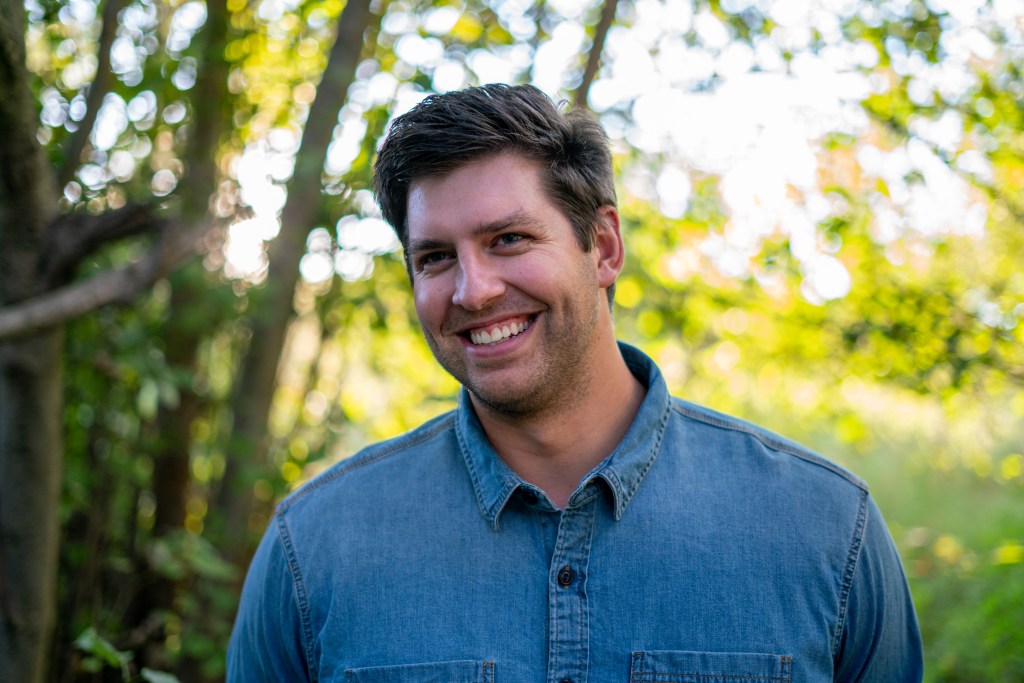
I grew up in the village of Tipton, Pennsylvania, which sits between the folds of mountains that rise above the tributaries filling the Little Juniata River.
In past centuries, trees were clearcut along the ridges, and railroad tracks were laid, trains bringing with them a new kind of darkness: black dust falling as coal burned.
Yet some fifty years after the last mine closed, after the dozers that stripped the skin of the earth were hauled away or were left to rust, hemlocks grew along the banks of small streams that hold the green backs of native trout. Here is where I search for these small fish, to feel in their quivering an energy that connects me to the water that is sacred in its purity and rarity.
My regular walks in these woods, up the narrow hollows where bear, coyotes, bobcat, and fisher linger in search of deer, porcupine, turkey, and rabbits, has built an intimate relationship with the place where all my writing stems. A daily intensity leading to the community I feel with this place. The non-human neighbors I love.
The people who live in my homeplace, the people who are the dependents of the miners, loggers, and railroad and factory workers hold the impact of a region America neglects. I grew up across from a fracking repair plant. A half mile down the road is a spaghetti sauce factory and then a windshield manufacturer. A mile upriver, they make absortants to clean up industrial spills. These places shows how the violence done to the world around them is reflected in our health. The streams running orange with acid mine drainage fill our reservoirs. The forests clogged with plants brought from far away to cover our hills. All the extractive companies closed, leaving our valley raked clean like every valley in this chain of mountains.
But still we find the white plate of ginseng flowers next to streams, the wide trunks of hemlocks safe on the steepest ridges, mayflies floating down a run and trout interrupting the run-on sentence of the current.
I hope my writing—the poems, the stories, the essays—recognizes the pain of place, but also holds the beauty that persists.
 Noah Davis