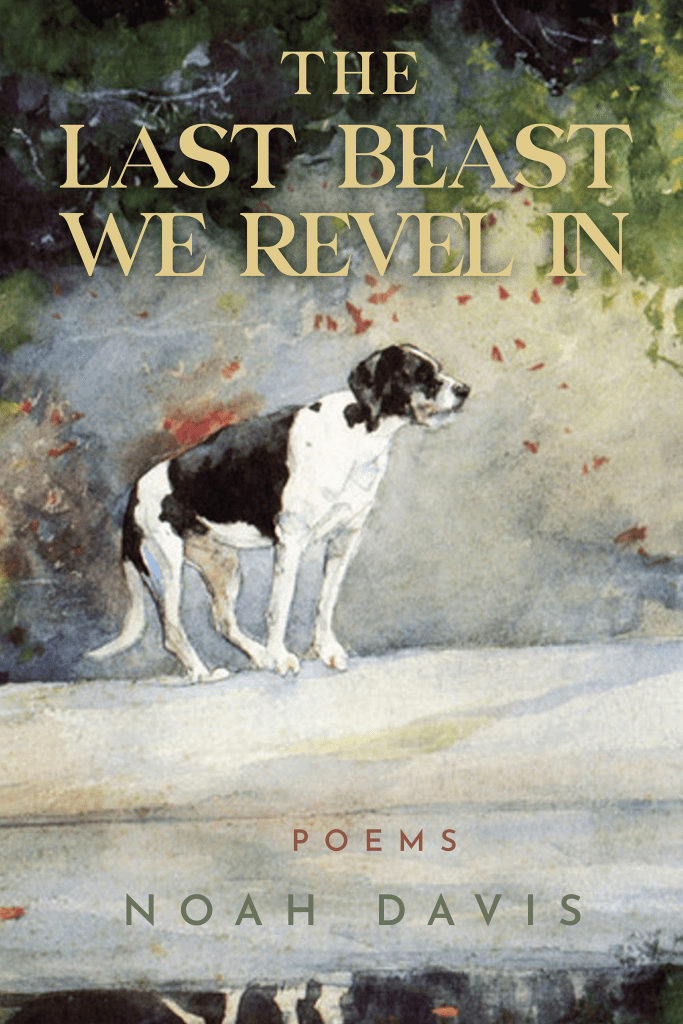
The Last Beast We Revel In (April 2025) coalesces around love for one’s romantic partner, family, community, and the natural world. As the Appalachian Mountains enter their most recent chapter of environmental catastrophes and abuses, the need to discover joy within the human and greater-than-human community is essential. Through these poems we travel with black bear, brook trout, the old tunnel mines, summer rivers, the carcasses of meth houses, and the sweetness of August tomatoes. These poems balance revery, mourning, lust, and love while wading the rivers and meandering the deep hollows of Appalachia’s enduring landscape.
Noah Davis seeks out the animal-self in poems that never shy from the messy territories of the erotic. Time is the axle this book spins around—future and past losses exist alongside the present-tense pull of language, of the sacred and the flesh, of landscapes observed and imagined. I celebrate the ardor these poems cling to, all the equally grand and understated ways The Last Beast We Revel In stakes its claims for human connection against the backdrop of our increasingly cynical age.
—Michael McGriff, author of Eternal Sentences, winner of the Miller Williams Prize
These are poems that love the world. The humans, plants, and animals, “who we have named and who have named us” are integral to every line. Every shadow in this book and every light, every death and joy in it is felt and loved by that mutual naming. And so, the world Noah Davis holds open for us is full of love, and is an intimate world even as it is an expanding one.
—Leah Naomi Green, author of The More Extravagant Feast, winner of the Walt Whitman Award of the Academy of American Poets
I love when Noah Davis makes a line because he is also making a world, a town where mining companies paid men to blow the tops of mountains off. Davis remakes those mountains through careful attention to the flexibility of language. These poems of the heart were dug out of the ground where bears, crows, rivers, and deer are carved into the land and the speaker’s body until we encounter body-land, land-body.
—Tyree Daye, author of Cardinal
Praise for The Last Beast We Revel In
“[A] collection robustly exquisite and delightfully visceral, and yet at times, also quietly surrealistic.”
~Southern Humanities Review
“The Last Beast We Revel In is a joyful, playfully erotic salve for the cynicism and painful losses we endure; it is a wonderful book that captures, in an honest, nuanced way, the landscapes and lives of the Appalachian Mountains.”
~Northern Woodlands
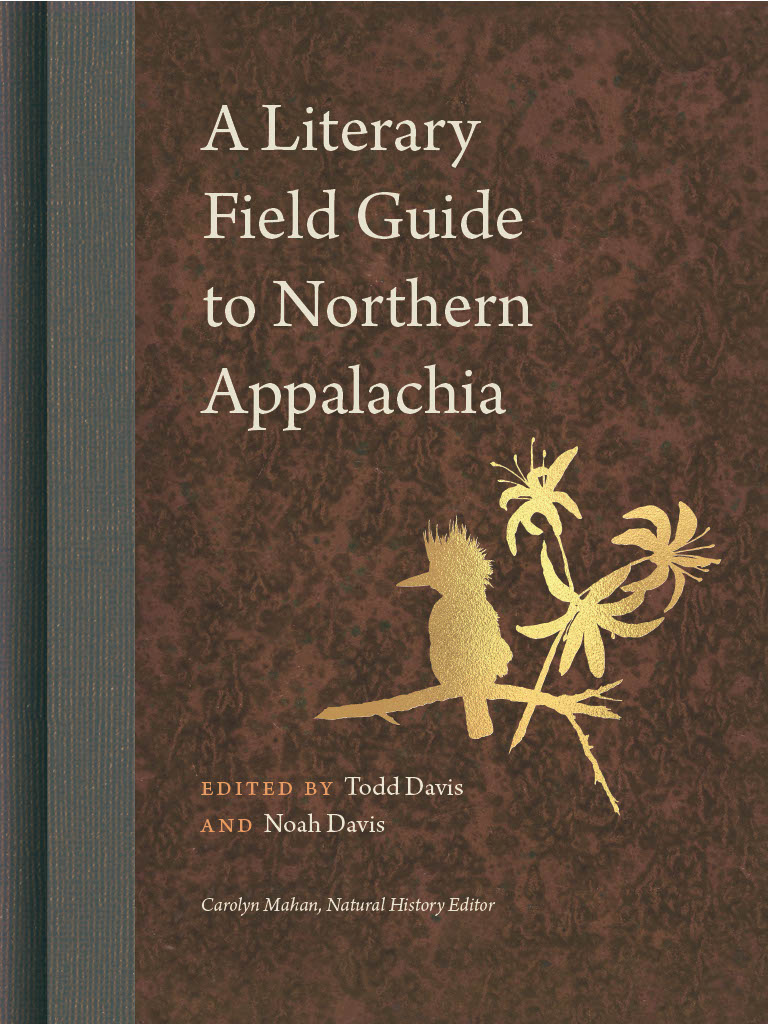
A companion volume to A Literary Field Guide to Southern Appalachia, this guide introduces the reader to seventy indigenous species found in Northern Appalachia. Editors Todd Davis, Noah Davis, and Carolyn Mahan recognize and celebrate this diversity and the fact that humans are storytelling creatures who develop relationships with their landscapes at the intersection of art and science.
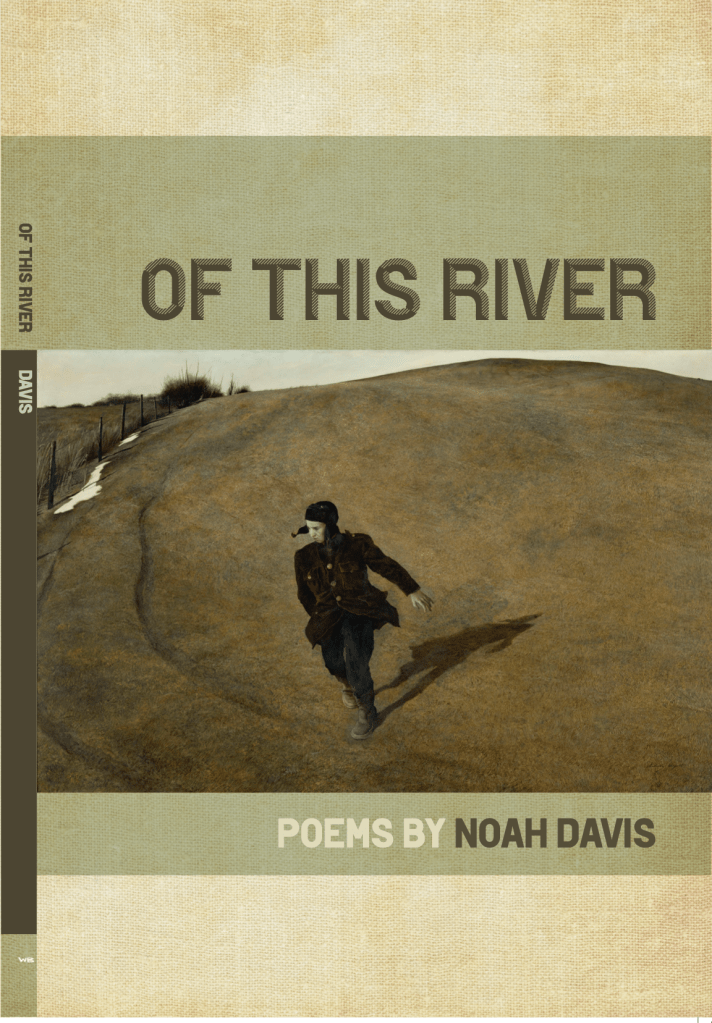
Of This River won the 2019 (Emerging) Wheelbarrow Books Poetry Prize judged by former Kentucky Poet Laureate, George Ella Lyon. The Wheelbarrow Prize is supported by the Residential College of Arts and Humanities Center for Poetry at Michigan State University. Of This River was published by Michigan State University Press in August 2020.
Noah Davis’s Of This River reminds me that if we get close enough to the earth—to see the monarch fly by in the gem of water resting on the jewelweed, to see the fine hairs of nettles blowing in a breeze—we might remember that we are the earth. We are the horse and the river and the blackbirds lifting from the cornfield. We might remember that we are each other. And then how do we live? And then how do we love? What tender labor this is. What gratitude.
—ROSS GAY, winner of the 2016 Kingsley Tufts Poetry Award and author of The Book of Delights
Praise for Of This River
“Of This River bears the hallmarks of a collection written in the lineage of nature poets and imagists like W.S. Merwin whose words Davis has placed as the book’s epigraph. Like Merwin, Davis uses the image not just as a tool in the poet’s toolbox but as an engine of the poems themselves. Imagery in these poems, despite taking place within deeply local occasions, manage to expand and range from the pastoral, the violent, the erotic, the cruel, the tender, the loud, and the quiet of this place.”
~North American Review
“It’s a book packed with detailed, elegiac imagery and themes that range from violence to religion to ecological concerns—all converging.”
~Southeast Review
“…enchanting and at times unsettling.”
~LitHub
“Davis’s versatility in styles is as admirable as his sequencing of poems.”
~Blueline
“At times, this fine young poet seems to have followed nature into language, at others language into nature.”
~Gray’s Sporting Journal
 Noah Davis